
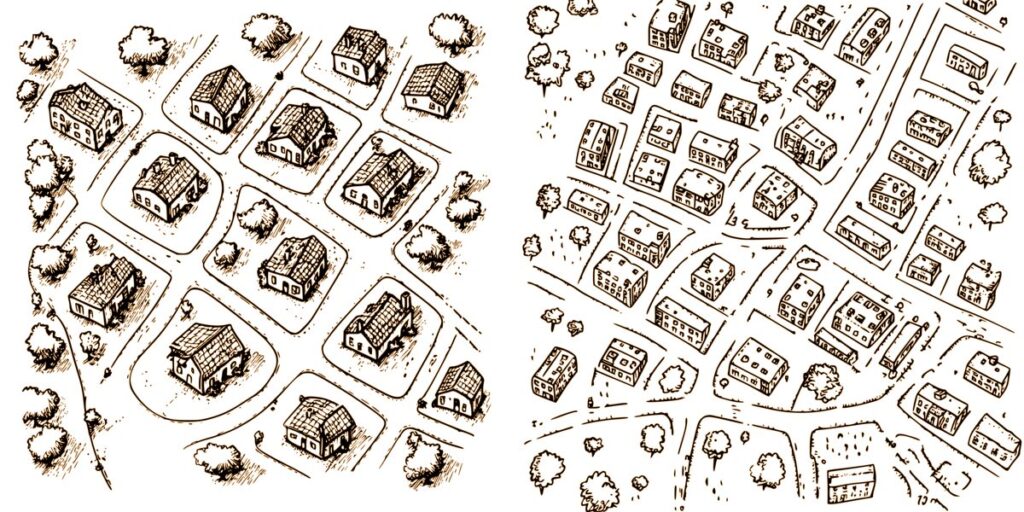
Nestled in Richmond's West End, just a short drive from downtown, lies the historic and vibrant neighborhood of Three Chopt. To locals, it's more than just a collection of quiet, tree-lined streets—it's a place with deep roots, storied landmarks, and a sense of continuity that has lasted for centuries. Whether you’re strolling down Leonard Parkway or taking in the peace of Bandy Field, Three Chopt’s heritage is evident on every corner.
The Origins of Three Chopt
To understand what makes Three Chopt unique, you have to start with its name. The story goes back to colonial times, when "Three Chopt Road" (originally "Three Notched Road") was designated as a key path for early travelers, mail carriers, and merchants headed west from Richmond toward Charlottesville and beyond. This route, marked by three notches cut into trees to guide the way, evolved over time into what we know today as Three Chopt Road—a major artery central to the neighborhood’s geography and identity.
Three Chopt Road became one of Virginia’s most important routes, and as Richmond expanded westward in the 19th and 20th centuries, the neighborhoods that grew up around it took on the name, preserving this colonial legacy.
Key Historical Milestones
- Early Settlements: Before the Civil War, much of the current neighborhood consisted of rolling farmland, forests, and estates owned by prominent Richmond families. These lands gradually gave way to the beginnings of suburban development in the early 1900s, as the city’s population expanded.
- Transportation and Growth: The arrival of the streetcar line in the early 20th century made the area attractive for residential development, connecting the quiet countryside to the bustle of downtown. Brick, Colonial, and Tudor-style homes began cropping up along the major boulevards like Patterson Avenue and Monument Avenue.
- Postwar Expansion: After World War II, Three Chopt saw a boom in single-family homes, schools, and local churches. This period shaped much of the neighborhood’s current character, with mid-century housing stock and leafy streets defining residential life.
- Historic Preservation: In recent decades, residents and local organizations have worked tirelessly to preserve Three Chopt’s architectural charm and green spaces, ensuring its history is always close at hand.
Notable Landmarks and Buildings
Three Chopt is dotted with landmarks that tell its story, many of which are central to everyday life here:
- St. Stephen’s Episcopal Church: Located at Grove Avenue and Three Chopt Road, St. Stephen’s is a community anchor, known for its classic Virginia brick design and lush gardens.
- Bandy Field Nature Park: Once part of a dairy farm, this beloved green space offers walking trails, open fields, and mature oaks—a rare urban oasis.
- Mary Munford Elementary School: An institution for generations, Mary Munford on Westmoreland Street reflects both the neighborhood’s family-oriented character and dedication to education.
- Historic Homes: Many original houses still stand, especially along Leonard Parkway, St. Christopher’s Road, and stretches of Monument Avenue. Some date back to the 1920s, with elegant brickwork and wide porches that invite neighbors together.
Streets, Parks, and Connections
The beating heart of Three Chopt can be found in its web of interconnected streets and public spaces:
- Three Chopt Road: Still a main thoroughfare, it winds through the neighborhood, connecting residents to Carytown, the University of Richmond, and the busy shopping areas off Libbie and Grove.
- Malvern Avenue and Roseneath Road: Both form important neighborhood boundaries and buzz with activity, home to local cafes, shops, and small businesses that give Three Chopt its homegrown flavor.
- Bandy Field and Humphrey Calder Park: These green spaces offer room to play, picnic, or simply unwind, drawing generations of locals together in every season.
The Evolution of a Community
Ask any longtime resident what makes Three Chopt special, and you’ll likely hear about its strong sense of community. Over the years, the neighborhood has evolved—not just in architecture and demographics, but in the ways neighbors look after each other and preserve their history.
Today, you’ll find a diverse mix of young families, retirees, and professionals living side by side. Annual events, garden tours, and neighborhood association meetings foster a friendly spirit and keep the sense of heritage alive.
The schools, churches, and gathering spots remain the neighborhood’s backbone, while new businesses and thoughtful modernization offer vibrancy without sacrificing charm. It’s not uncommon to see multi-generational families who have called Three Chopt home for decades, sharing stories of the old dairy, the streetcar days, or the earliest school picnics.
Why Three Chopt Endures
With its blend of old-world character and modern convenience, Three Chopt embodies the best of Richmond’s West End—a place where history is not just preserved, but actively celebrated. From the stately oaks lining Westmoreland and Leonard Parkway to the laughter in Bandy Field, there’s a sense that Three Chopt’s past is always present, woven into daily life.
For newcomers and lifelong residents alike, Three Chopt’s true gift is its deep sense of place. Here, every street has a story, and every neighbor is a vital part of the ongoing legacy.